Off-Road Autonomous Systems

Off-Road Autonomous Systems

Build autonomy around the machine.

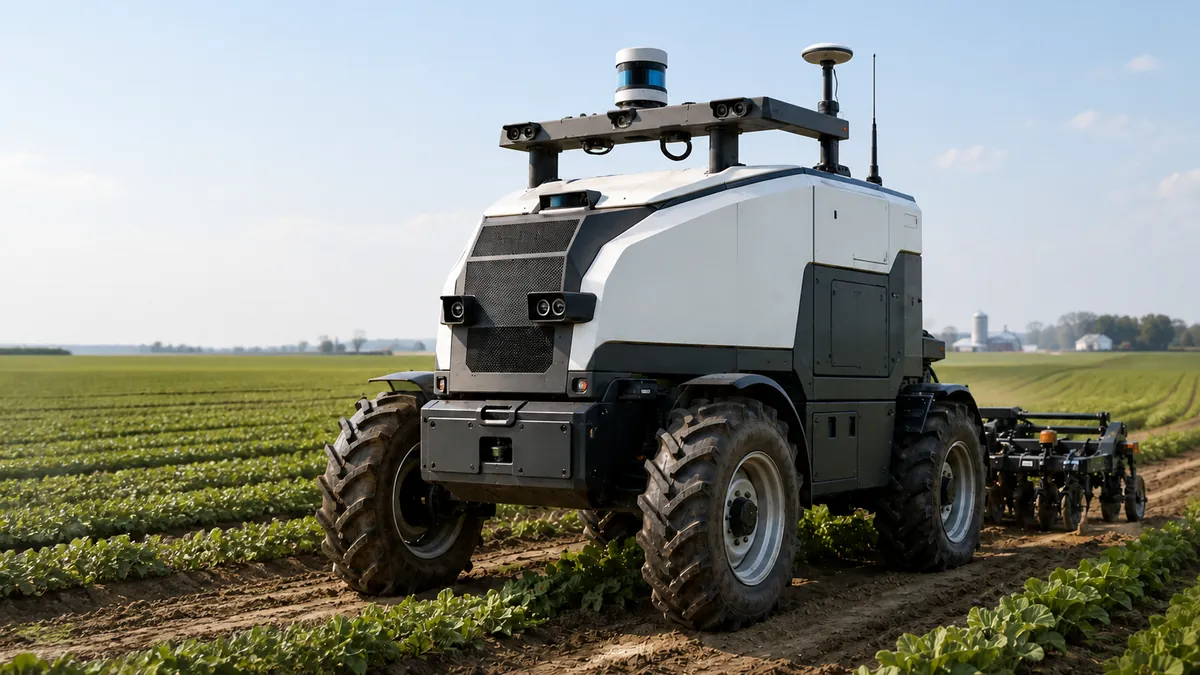
Off-road machines often come with fixed control systems, legacy interfaces, and limited space for additional sensing and computing. Retrofitting autonomy means working within those constraints while adding perception, localization, and decision-making.

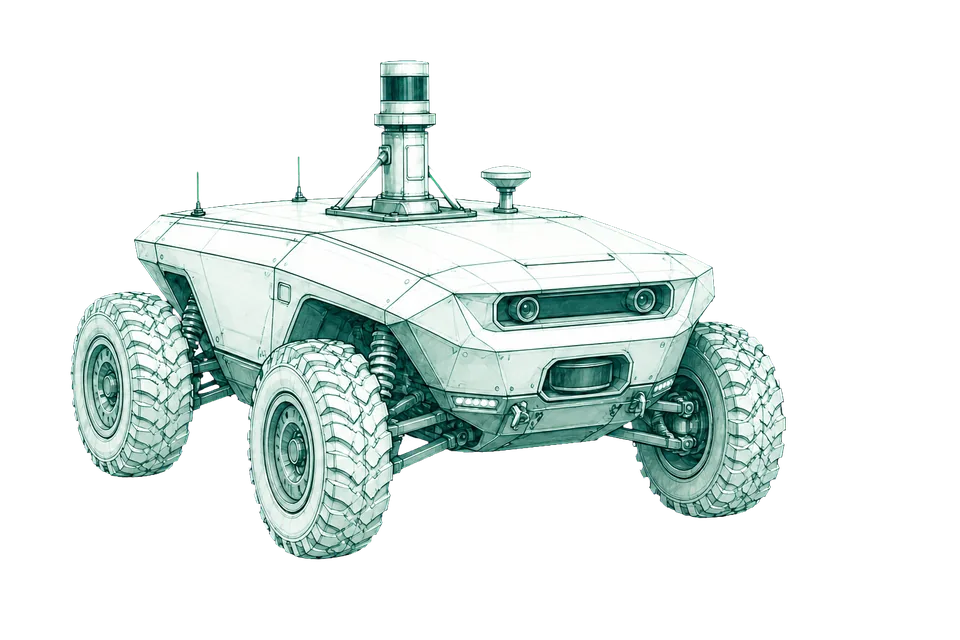
Purpose-built platforms allow sensing, networking, compute, and machine control to be planned together from the beginning.

That difference shapes the system architecture.

Explore Solutions

ARCHITECTURE

Two Architecture Paths for Off-Road Autonomy

Machines enter autonomy from different starting points. The path is different, but the performance goal is the same: safe, reliable operation in complex environments.

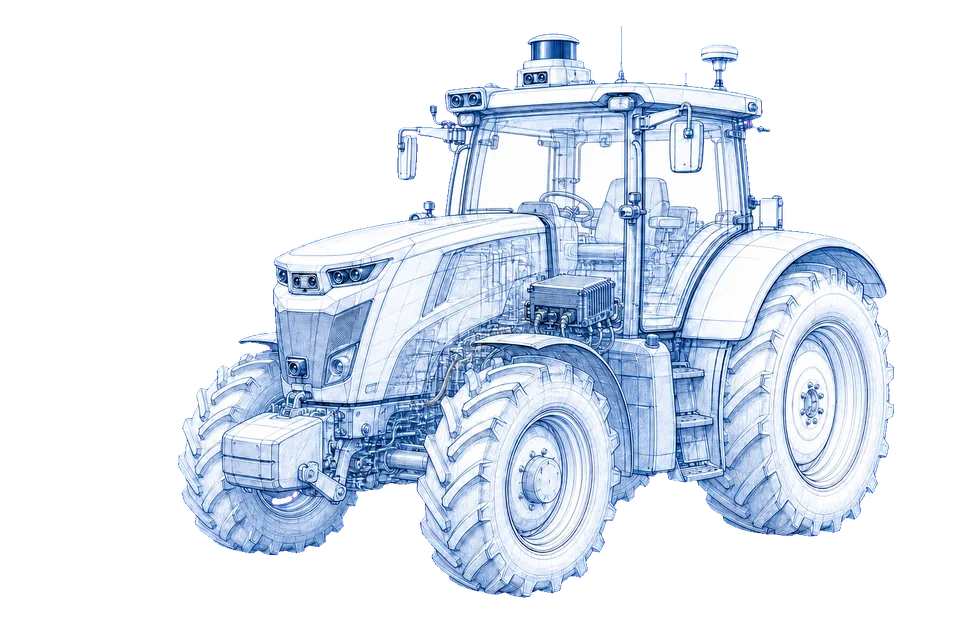
Retrofit Autonomy reference machine

Retrofit Autonomy

Existing off-road machines impose fixed control systems, legacy interfaces, and integration constraints.

01 — Retrofit Architecture

01 Machine & Data Interface

  • Existing Machine
  • Camera / LiDAR / Radar / GNSS-INS / IMU
  • Sensor Connectivity & Time Synchronization

02 Autonomy Intelligence

  • Localization / Perception / Fusion
  • Planning & Decision
  • Edge AI computing

03 Vehicle Integration & Control

  • CAN / J1939 / Industrial I/O
  • Existing ECU / Vehicle Controller
Purpose-Built Autonomy reference machine

Purpose-Built Autonomy

Sensor placement, network topology, compute resources, vehicle control, and actuation can be coordinated as part of the machine architecture.

02 — Purpose-Built Architecture

01 Sensing & Data

  • Multi-Modal Sensors & Encoders
  • Time-Aligned Sensor Network

02 Autonomy Intelligence

  • Localization / Perception / Fusion
  • Planning & Decision
  • Edge AI computing

03 Motion Control & Actuation

  • Motion Controller / Drive-by-Wire
  • Hydraulic Control / Vehicle Actuation
  • Vehicle Motion Is Harder to Estimate

    Wheel slip, slopes, vibration, changing loads, and soft terrain reduce the reliability of odometry and motion estimation.

  • Sensor Conditions Keep Changing

    Dust, glare, rain, vibration, and mechanical movement affect camera, LiDAR, radar, and inertial measurements.

  • Sensor Data Still Has to Align

    Multi-sensor localization and perception depend on measurements that share a consistent time reference.

  • Control Has to Reach the Machine

    Autonomous decisions must pass through vehicle networks, controllers, hydraulics, steering, braking, or drivetrain systems before anything physically happens.

  • 01DATA ACQUISITION

    Sensing

    Camera LiDAR GNSS/INS IMU

    Capture environment, motion, and positioning data.

  • Sensor Connectivity

    GMSL Ethernet CAN Sensor Bridge

    Aggregate distributed sensors for edge processing.

  • Timing & Networking

    PTP gPTP PPS Hardware Timestamping

    Keep sensors and compute on a shared clock.

  • 02INTELLIGENCE

    Localization & Perception

    Position Estimation Sensor Fusion Terrain Understanding

    Turn synchronized data into environmental awareness.

  • Edge Computing

    AI Inference Mapping Planning Decision-Making

    Run perception, planning, and decisions locally.

  • 03CONTROL & EXECUTION

    Machine Integration

    CAN J1939 Industrial Ethernet Digital I/O

    Connect autonomy to vehicle-control systems.

  • Machine

    Steering Braking Drive Hydraulics

    Convert decisions into physical machine action.

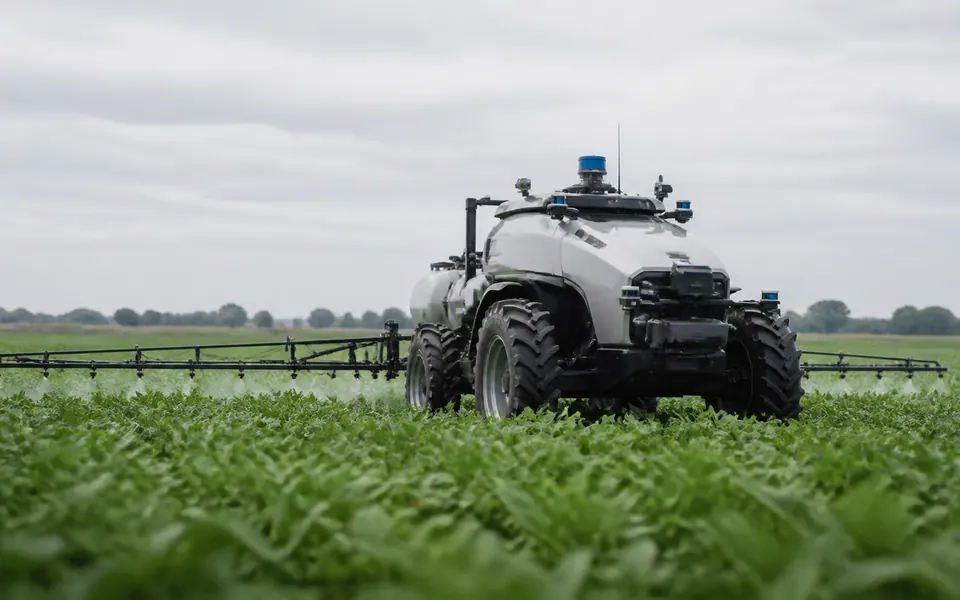
  • Reliable autonomy across changing terrain, dust, lighting, and GNSS conditions.

    Typical Systems

    Autonomous tractors / Precision spraying / Field robots

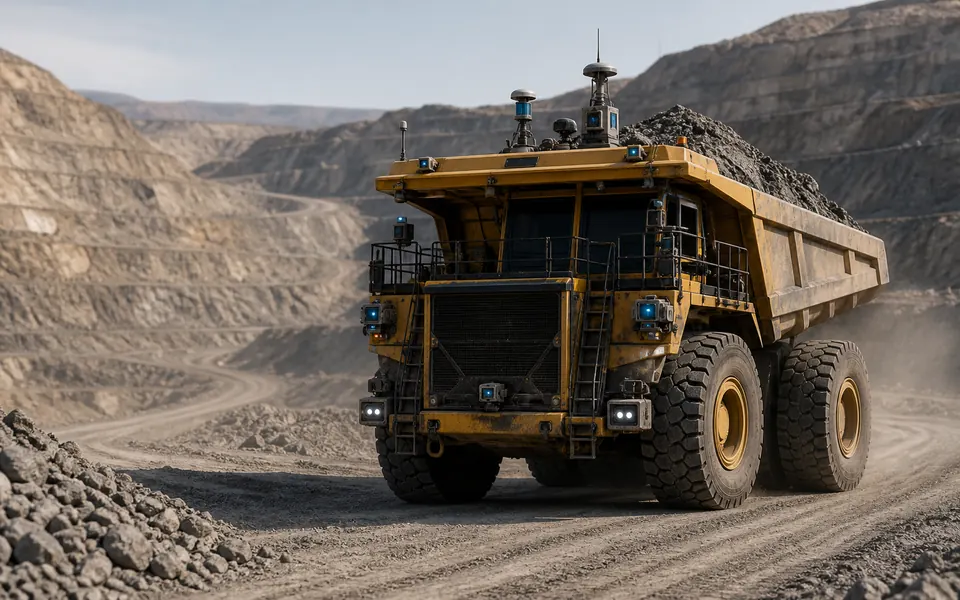
  • Rugged sensing and control for dusty, high-vibration haul roads and quarry operations.

    Typical Systems

    Autonomous haulage / Drilling / Inspection

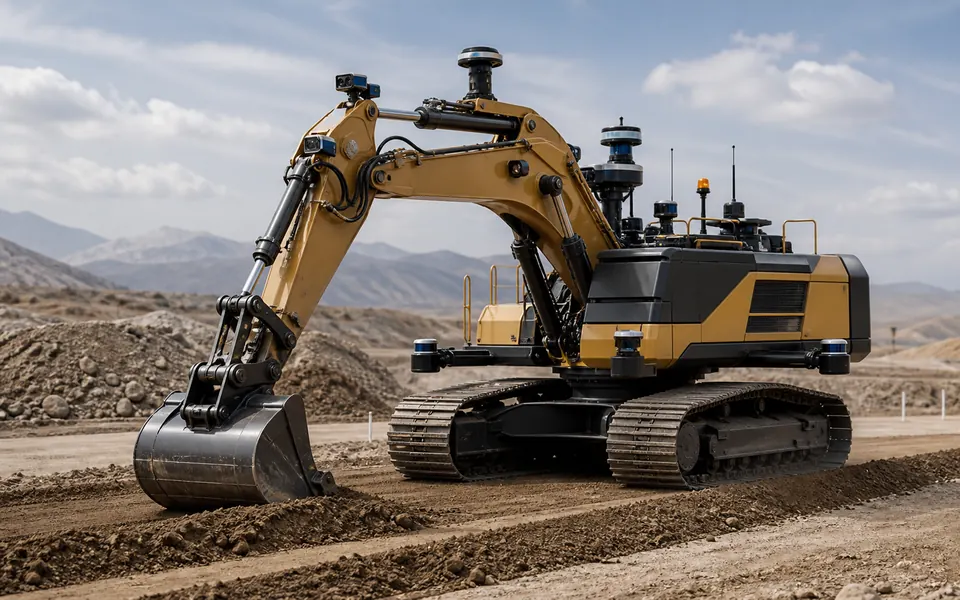
  • Coordinate perception, positioning, and hydraulic control on dynamic job sites.

    Typical Systems

    Excavators / Loaders / Compactors

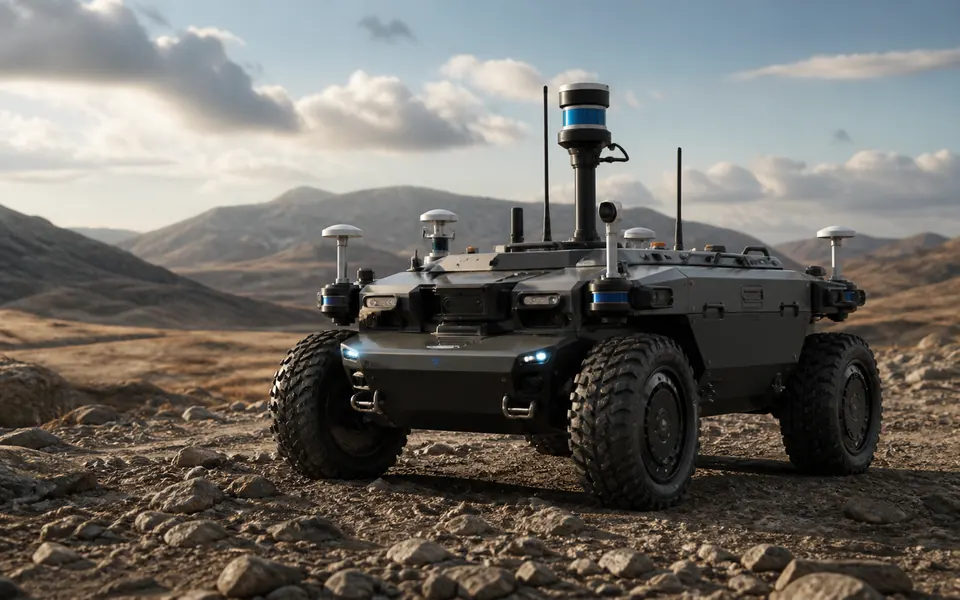
  • Compact autonomous systems for remote inspection, security, and specialized field work.

    Typical Systems

    Inspection UGVs / Remote operations / Field robotics

NeuronEDGE Autonomous Infrastructure

Sensing, Timing, Localization, and AI Computing

NeuronEDGE delivers synchronized sensing, reliable positioning, high-bandwidth connectivity, and edge AI computing for autonomous machines.

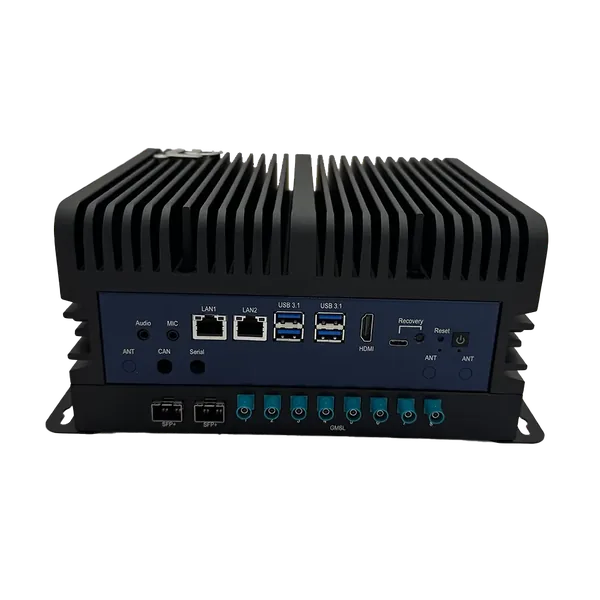
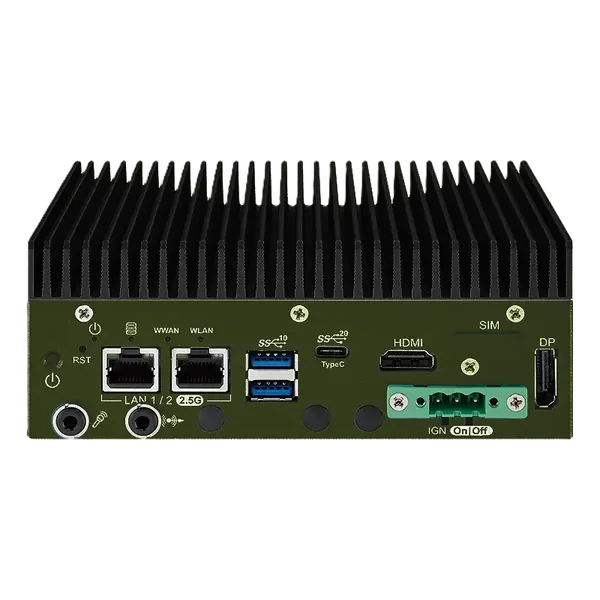
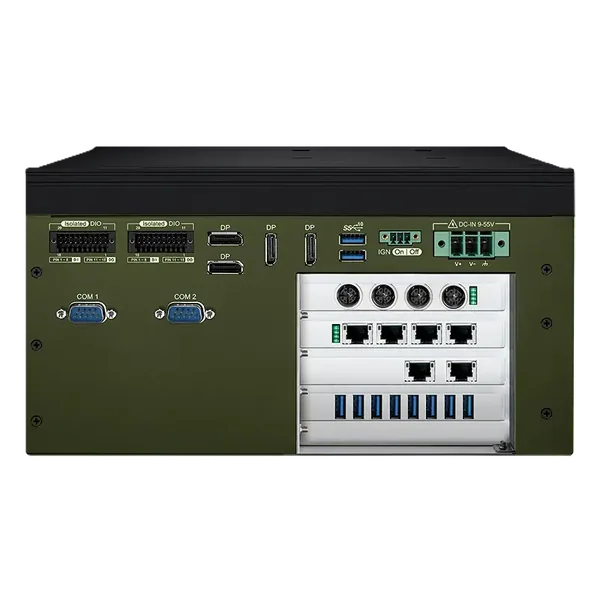
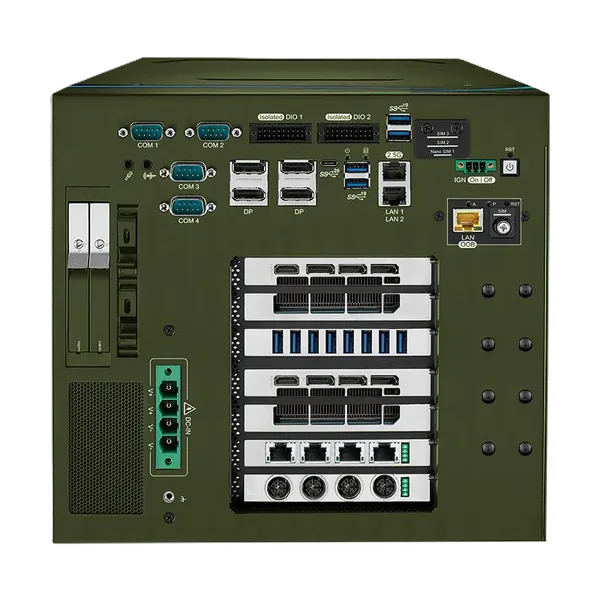
  • TALO-A1000 AI Controller front view

    TALO-A1000

    AI Controller

    NVIDIA Jetson Thor platform for perception, fusion, localization, and decision workloads.

    Best for

    Sensor-rich machines · Multi-sensor fusion · High-performance AI

    View More
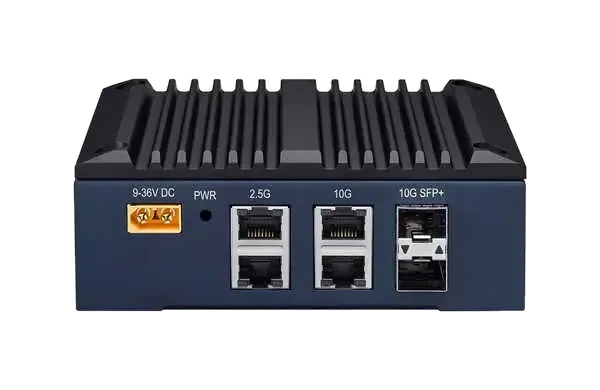
  • TALO-N1000 PTP / gPTP Switch front view

    TALO-N1000

    PTP / gPTP Switch

    Distributes a shared time reference across sensors and compute nodes for deterministic networking.

    Best for

    Time-aligned networks · Distributed sensing · Deterministic communication

    View More
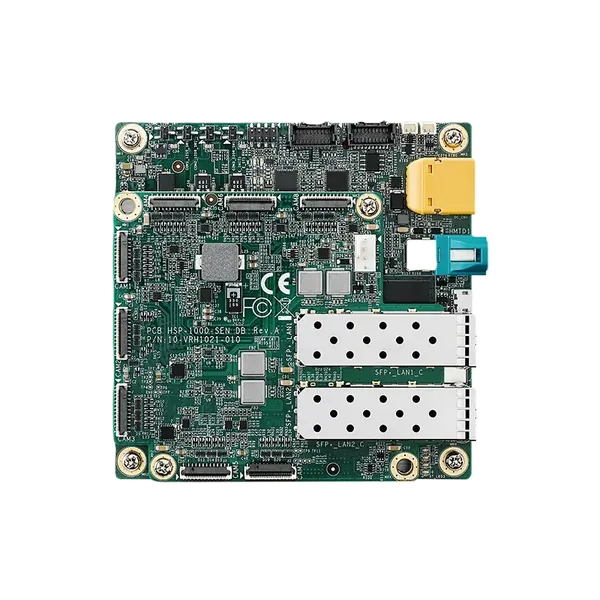
  • TALO-B1000 Sensor Bridge front view

    TALO-B1000

    Sensor Bridge

    Aggregates camera, CAN, serial, and timing interfaces for synchronized data acquisition.

    Best for

    Distributed connectivity · Camera aggregation · Time-aligned acquisition

    View More
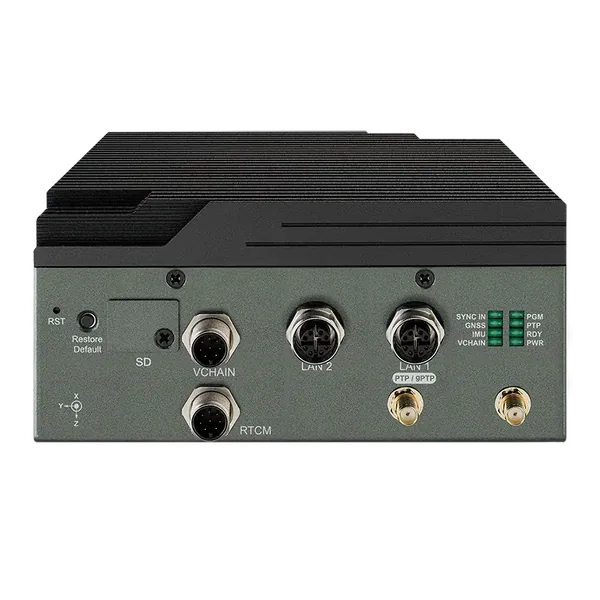
  • TALO-F1200GU Inertial Navigation System front view

    TALO-F1200GU

    Inertial Navigation System

    Combines GNSS, IMU, RTK, and timing for reliable positioning in changing conditions.

    Best for

    Vehicle localization · GNSS/INS integration · Outdoor platforms

    View More
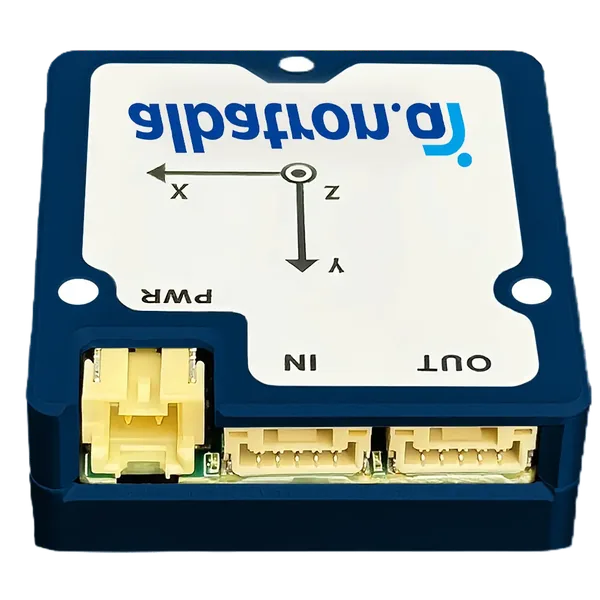
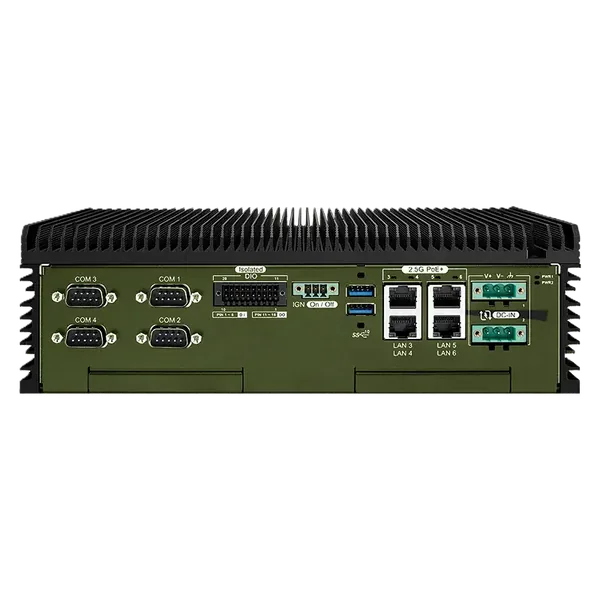
  • TALO-M1000 Inertial Sensor Module front view

    TALO-M1000

    Inertial Sensor Module

    Provides high-rate motion and orientation data for localization and control.

    Best for

    Vehicle dynamics · Motion sensing · Localization support
    View More
View Autonomous Systems Infrastructure

Planning an
Off-Road Autonomy System?

Whether you are retrofitting an existing machine or designing a purpose-built platform, Albatron provides the infrastructure to connect sensing, timing, edge AI, and machine control.

Contact Our Team